


Architecture & Artifacts (Interior)

Architecture & Artifacts (Interior)
St Andrew’s Cathedral showcases the elegant style of Early English Gothic architecture. The building’s impressive dimensions span 68.58m in length and 35.5m in width externally, while the interior measures 55.16m in length and 16.85m in width. The cathedral’s design is attributed to Colonel Ronald MacPherson of the Madras Army, whose memorial cross stands on the south lawn.
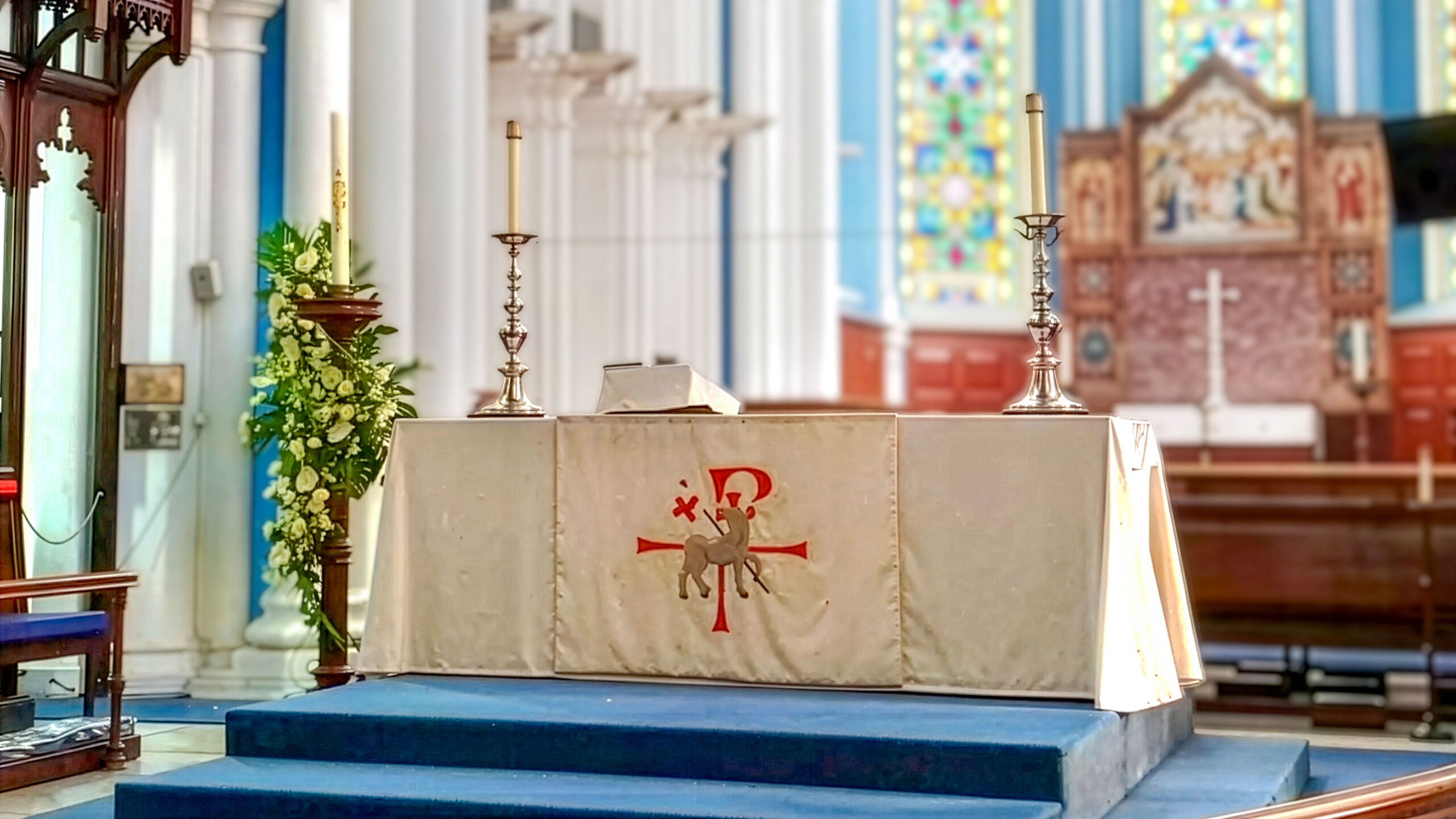
The Lord’s Table
The 2 main elements in Anglican worship are the Word and the Sacrament. In the Sacrament of Holy Communion (the Eucharist), Christians gather around the Lord’s Table to eat the bread and drink the wine in accordance with Jesus’ command to do this in remembrance of Him. The bread symbolises the body of Christ which was broken, and the wine symbolises His blood which was shed, for the sins of the world. In so doing, the Church remembers and proclaims Christ’s one and perfect sacrifice on the cross for our sins, and looks forward to His second coming.
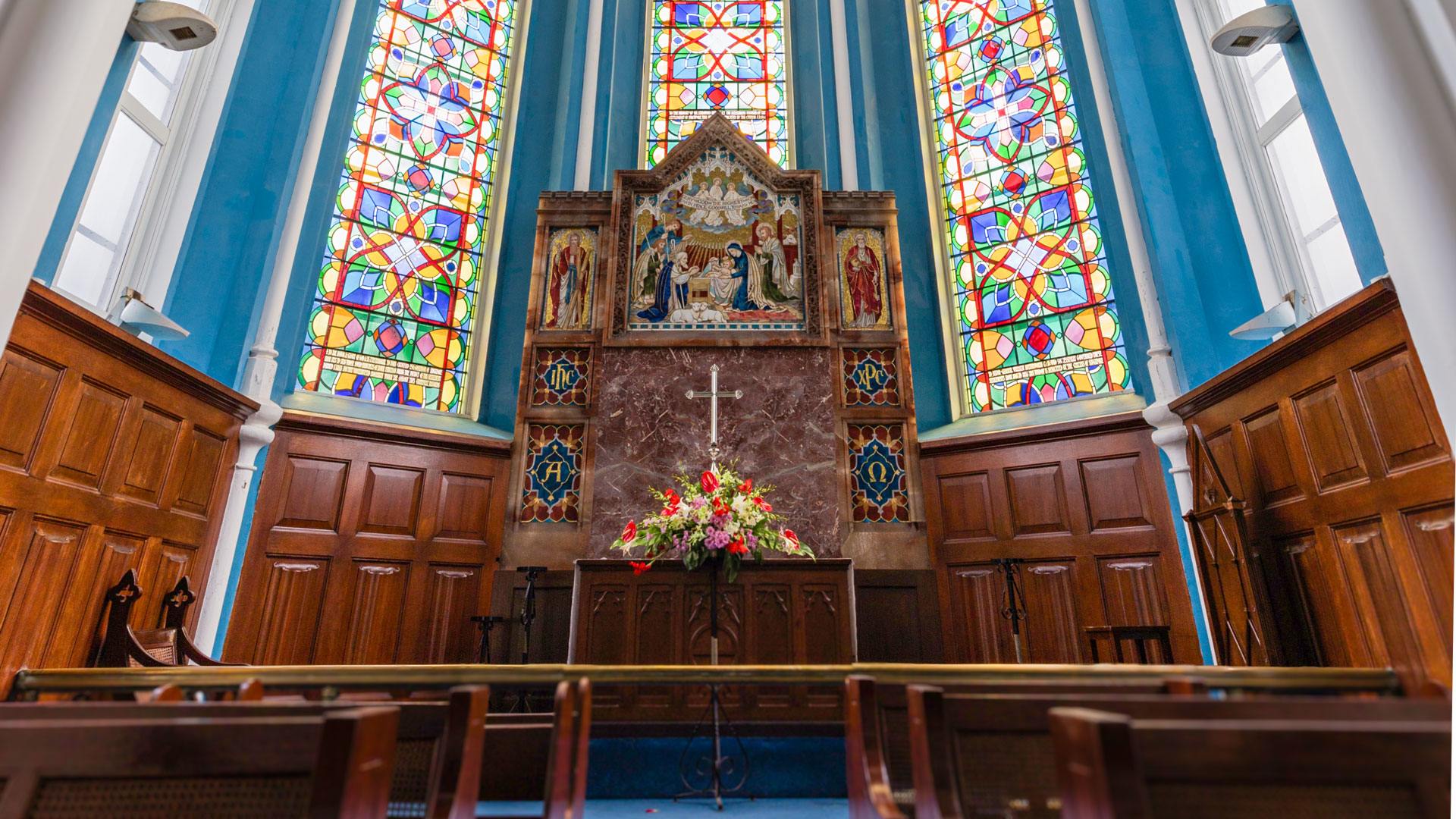
The Reredos and the Nativity Chapel
The reredos, a screen located at the East Windows, is made in Italy and crafted in alabaster and mosaic. It depicts the nativity scene, Christ at His birth in Bethlehem. The reredos was designed by the architect, Sir Reginald Blomfield and erected in memory of the wife of Bishop Hose in 1905. The Nativity Chapel is used for small Services.
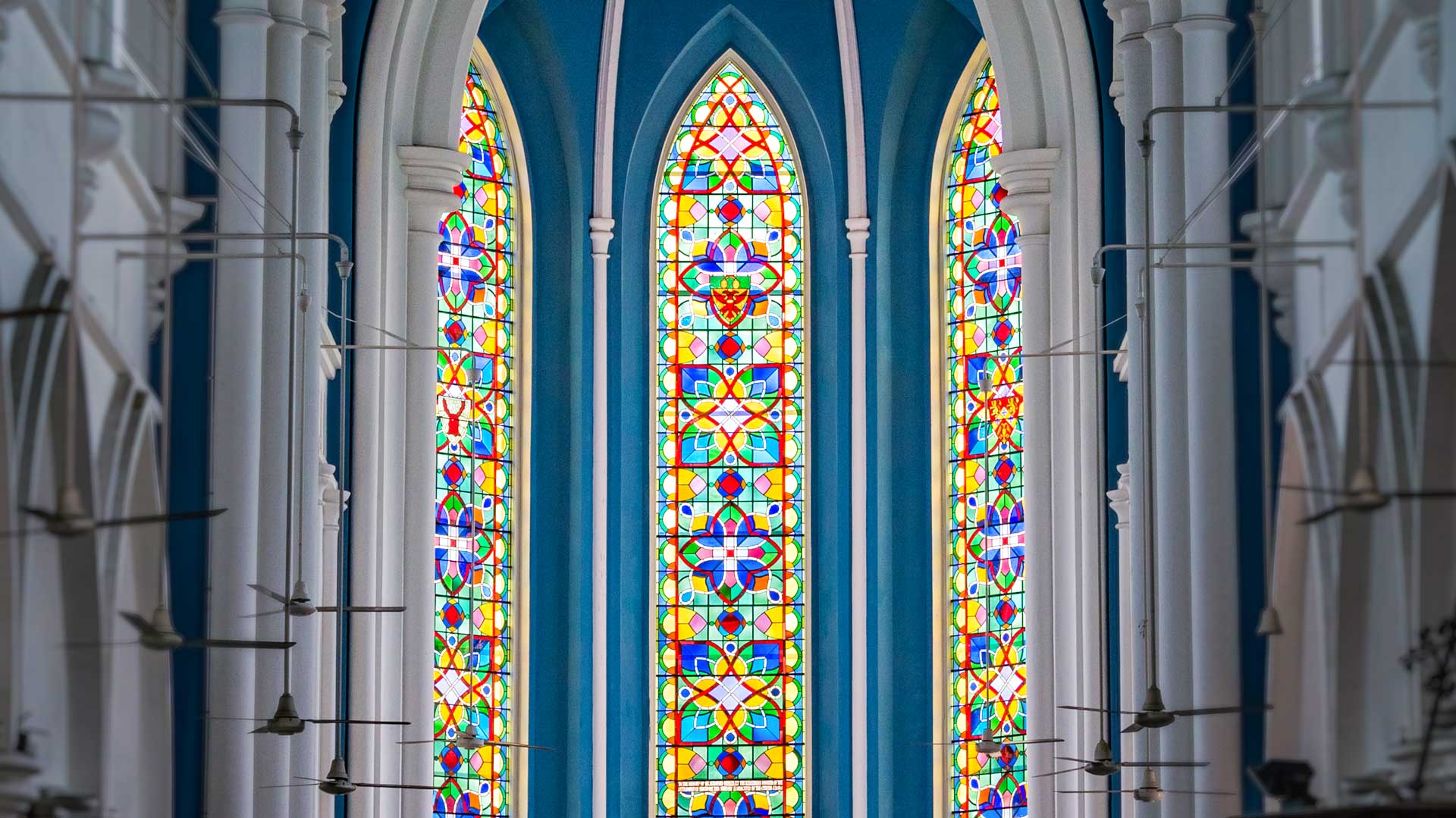
The East Windows
The Centre Light was dedicated in 1961, in memory of Sir Stamford Raffles, the founder of modern Singapore. The North Light and the South Light are in memory of Dr John Crawfurd, Resident of Singapore (1823-1826) and Major General William Butterworth, Governor (1843-1855), respectively. Their coats of arms are borne in the upper portions of the stained glass windows.
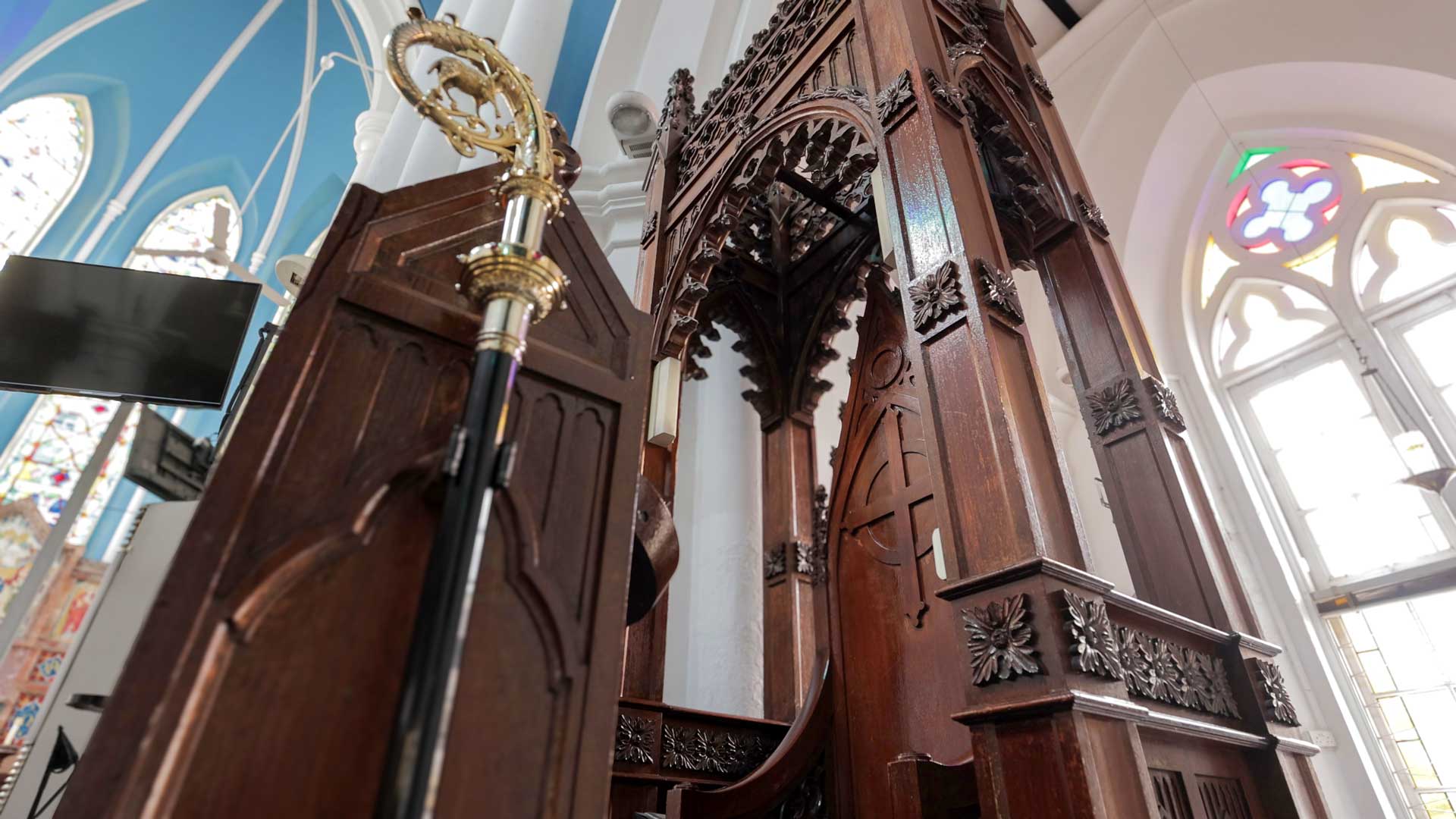
The Bishop’s Throne
The Bishop who is the chief pastor and head of all the Anglican churches in the Diocese of Singapore takes this seat when he officiates at Services. The Bishop’s Throne is also known as the Cathedra. Hence the name, Cathedral, as no other church in the Diocese bears the Bishop’s Throne.
The Pulpit and the Coventry Cross
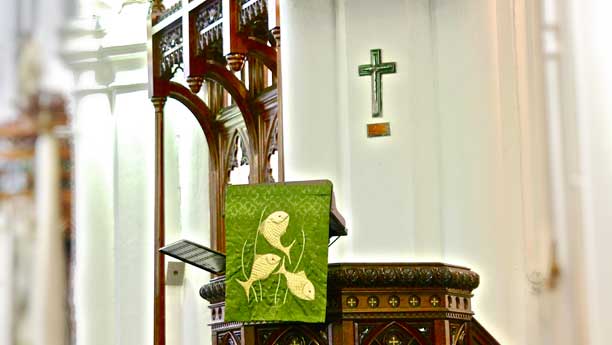
The Word of God is preached from the pulpit (made in Sri Lanka in 1889). The Coventry Cross on the wall behind the pulpit is formed by nails recovered from the ruins of the Coventry Cathedral, destroyed by bombing in 1940 during World War II. The Cross is a symbol of God’s love in sending His Son, Jesus Christ to die for the sins of the world. This is the basis of Christian preaching.
The Lectern
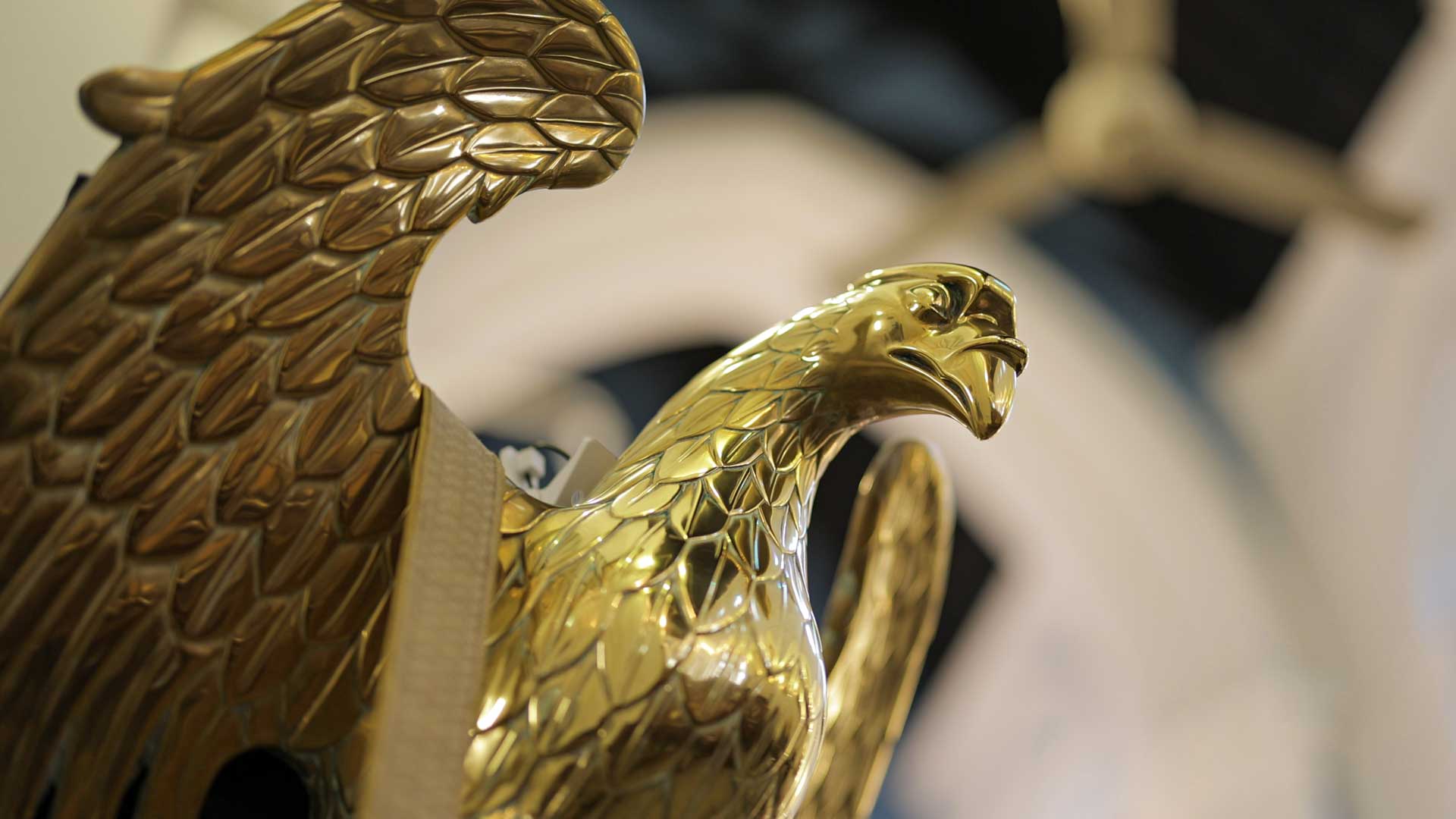
During a Service, Bible passages are read from the Lectern. This is in the shape of a flying eagle perched on a globe to signify that the Word of God is to be proclaimed throughout the world.
The Baptismal Font
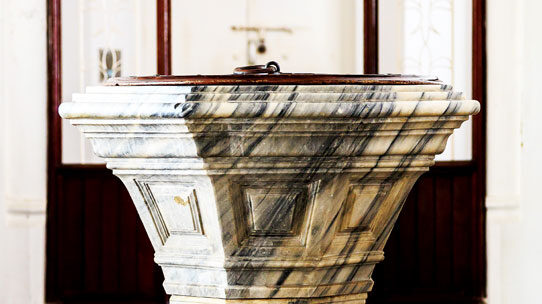
Those who believe in Jesus Christ are baptised into the Body of Christ. They become Christians and publicly declare that they follow and obey Jesus. The Font is aptly placed at the main entrance into the Nave to signify that one enters the kingdom of God by believing in Christ and responding to His command to be baptised in water.
The Pipe Organ
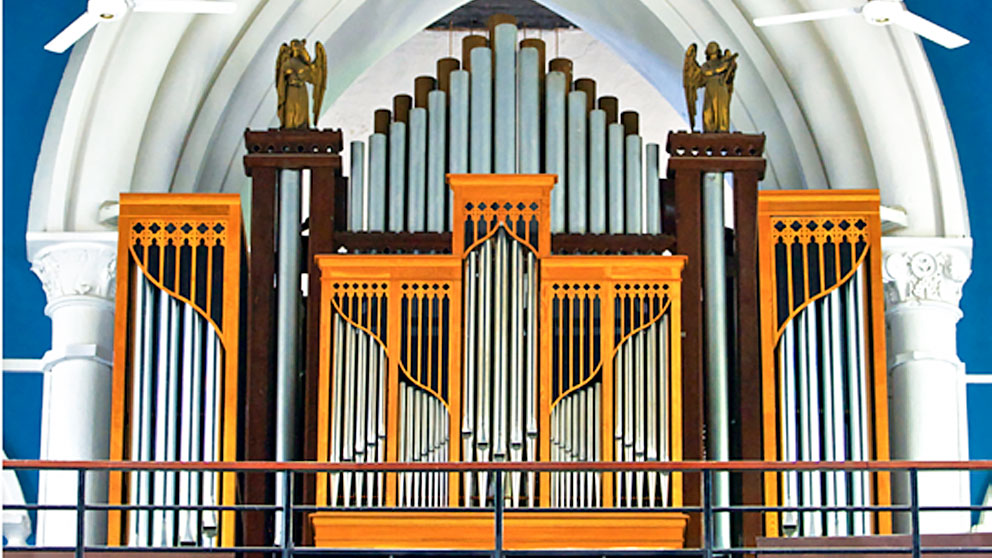
The original pipe organ was built by J. W. Walker Company of England and it dates from the late 19th century. Located in the north transept of the chancel, it was later moved to the west gallery of the Cathedral. It was rebuilt and renovated in 1929 by Messrs. Hill, Norman and Beard of London and Calcutta. Due to the damp and open atmosphere of the loft; it last played in the early 1970s. A new four-manual Rodgers console was added in 2007. Shortly thereafter, several of the original pipe stops from the original gallery organ were sent to UK for renovation, and an electric action was provided by the MPOS Company of Swanton Morley, UK. Today the traditional pipe system is played synchronously with modern electronics.
Articles about the pipe organ:
The West Gate and the Four Gospel Writers
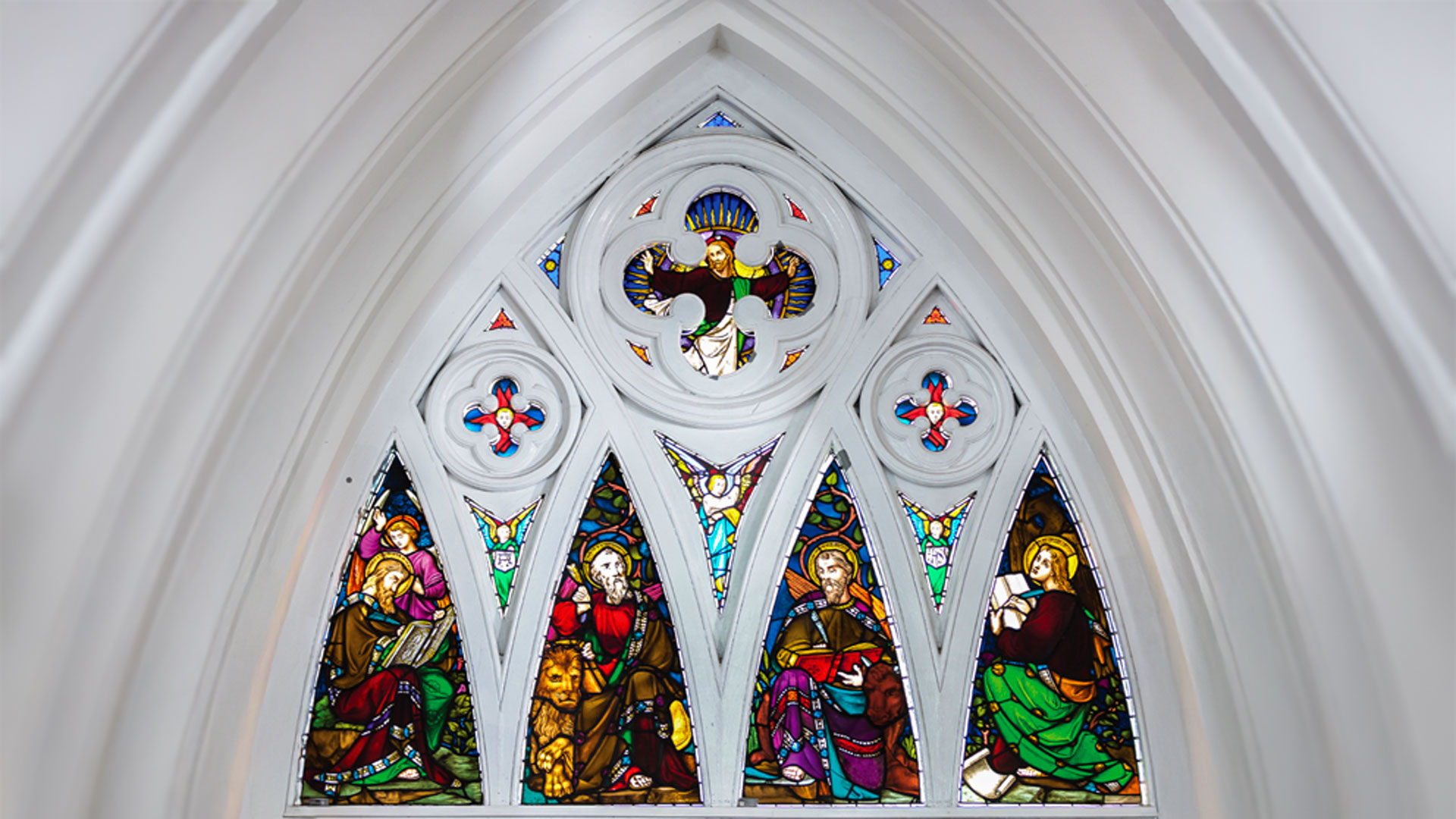
The main entrance to the Cathedral is through the West Gate. Above it is the pipe organ gallery, the bell tower and the spire which rises up to 63.1m in height. The stained glass window above the gate depicts the four gospel writers – Matthew, Mark, Luke and John – and commemorates Colonel Ronald Macpherson who designed the Cathedral building.
The Epiphany Chapel
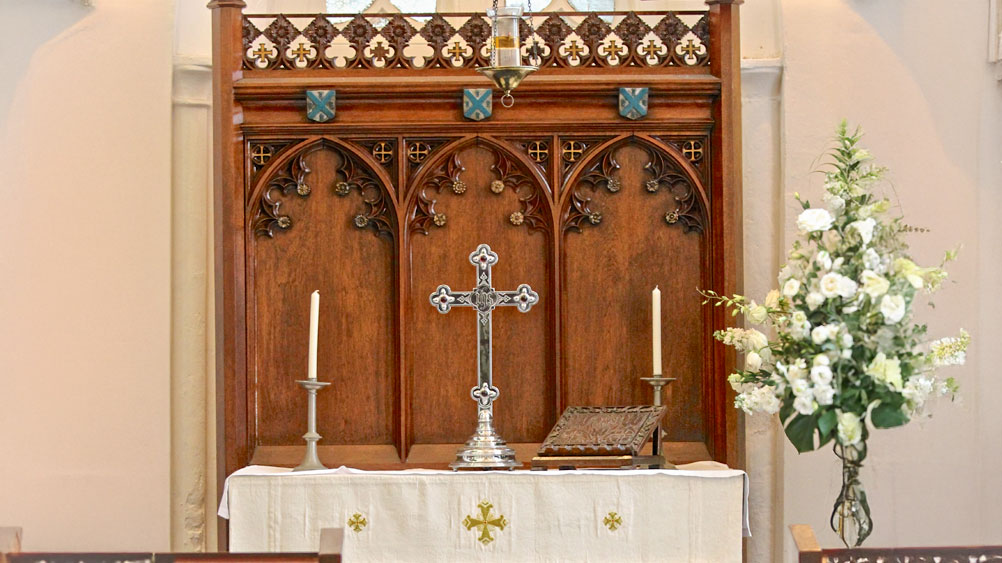
Located in the South East corner of the Cathedral, the chapel has several memorials erected in the original church. The aumbry, a small recess built into the wall on the left is used for storing bread and wine in reserve for Holy Communion to the sick and housebound.
Stay Connected
Stay in the loop with what’s happening at St Andrew's Cathedral through our weekend update or WhatsApp Channel!
WhatsApp Channel
SAC WhatsApp Channel